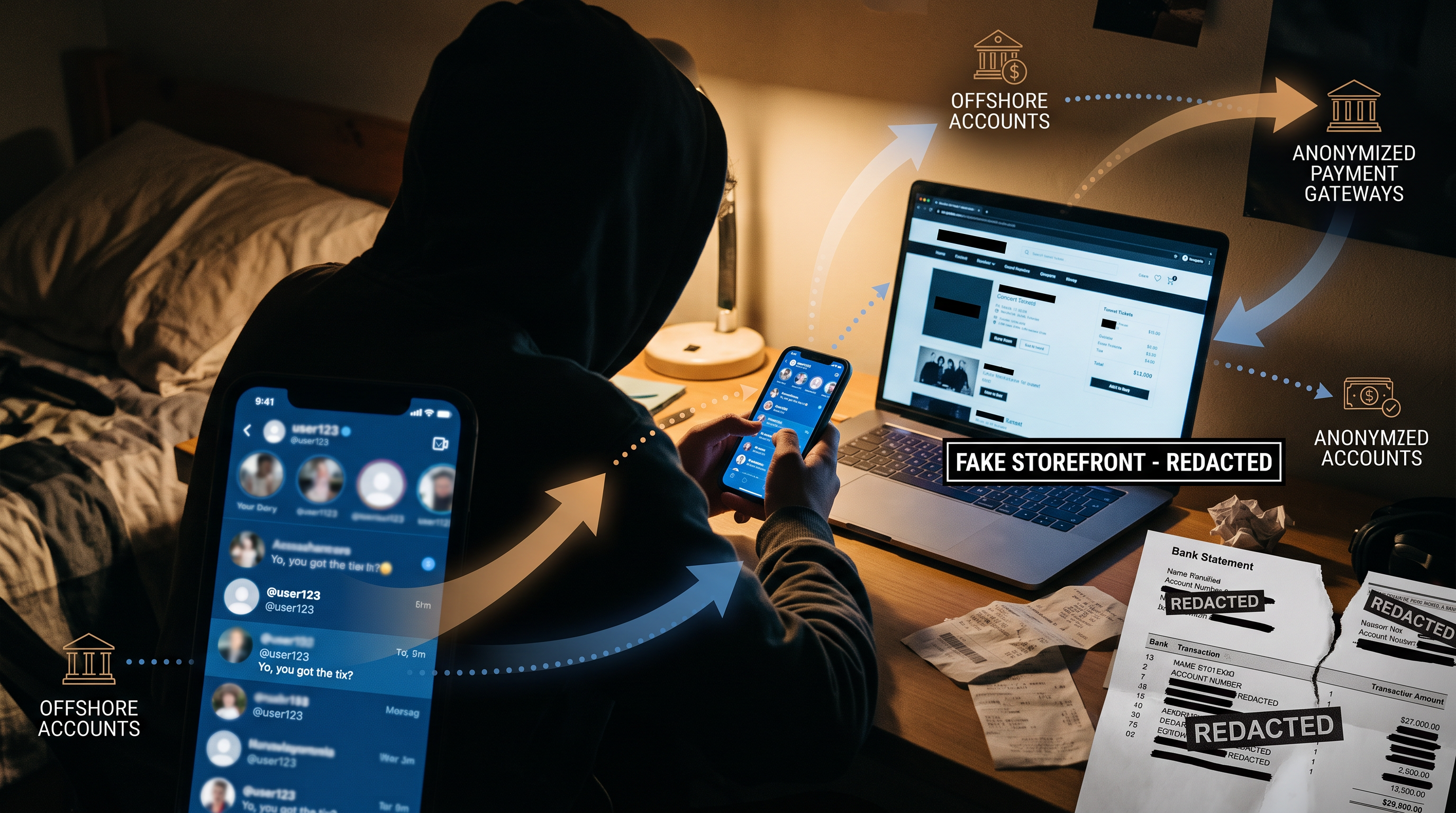
A sophisticated criminal network that used AI-generated deepfake videos of Elon Musk to lure victims into a fraudulent cryptocurrency trading scheme has been dismantled by coordinated international law enforcement action. Raids across multiple countries resulted in arrests, significant asset seizures, and the exposure of a fraud operation that reportedly caused victims losses in the tens of millions of dollars. The case has sent shockwaves through cybersecurity circles and renewed urgent calls for tighter controls on AI-generated content and crypto advertising.
How the Elon Musk Deepfake Crypto Scam Operated
According to reporting by the BBC, the criminal ring produced highly convincing synthetic videos that cloned Elon Musk’s voice and likeness using generative AI tools. The fabricated clips showed what appeared to be Musk personally endorsing a cryptocurrency trading platform and urging viewers to invest immediately to lock in guaranteed returns. The production quality was described by investigators as unusually polished, making the content difficult for average viewers to identify as fake.
The operators did not rely on organic reach alone. They pumped money into paid social media advertising campaigns to push the deepfake clips to targeted audiences across multiple platforms. Spoofed press pages mimicking legitimate financial news outlets were also created to lend the scheme an air of credibility. Victims who clicked through landed on professionally designed fake trading dashboards that displayed fabricated account balances, creating the illusion that their investments were growing rapidly.
The Fake Dashboard Trap and Withdrawal Fees
Once victims deposited funds, the scheme entered its most predatory phase. When users attempted to withdraw their supposed profits, they were told they first needed to pay verification fees, taxes, or security deposits before any funds could be released. These bogus fees were a core revenue mechanism for the ring, extracting additional payments from victims who had already been deceived into believing they held substantial balances.
Proceeds were not held in a single account. According to investigators, the ring laundered money through a complex chain of cryptocurrency wallets and mixing services designed to obscure the flow of funds and make tracing difficult. This layered laundering approach is increasingly common among cybercriminal groups operating in the digital asset space.
The International Takedown Operation
Europol confirmed that the multi-country operation involved coordinated raids across several jurisdictions, resulting in arrests and the seizure of assets including cryptocurrency holdings, electronic devices, and financial records. The cross-border nature of the investigation reflects the reality that modern fraud rings deliberately operate across multiple legal territories to complicate prosecution and slow law enforcement response.
Reuters reported that investigators had been tracking the network for an extended period before the raids were executed, building a detailed picture of the ad-to-wallet money flows that connected the fake trading platform to the criminal operators behind it. The timing of the simultaneous raids was critical to preventing suspects from moving assets or destroying evidence before authorities could act.
Why AI Deepfakes Make These Scams So Dangerous
The Elon Musk deepfake crypto scam is not an isolated incident, but it represents a significant escalation in the technical sophistication of impersonation fraud. Generative AI tools have lowered the barrier to creating convincing synthetic media to the point where a well-resourced criminal group can produce content that is indistinguishable from genuine footage for most viewers.
Several factors combined to make this operation particularly scalable and damaging:
- AI voice cloning and video synthesis produced realistic Musk impersonations at low cost.
- Paid advertising ecosystems amplified the content to millions of potential victims with precise demographic targeting.
- Spoofed news pages borrowed credibility from trusted media brands without their knowledge or consent.
- Fake trading dashboards with fabricated balances kept victims engaged and encouraged further deposits.
- Crypto’s pseudonymous nature and mixing services helped launder proceeds quickly across borders.
Platform ad policy failures played a notable role as well. Critics have pointed out that the fake ads passed through automated approval systems without triggering takedowns, exposing a persistent gap between stated policies and real-world enforcement on major social networks.
Victim Impact and the Scale of Losses
Reports indicate that aggregate victim losses reached into the tens of millions of dollars. Victims came from multiple countries and spanned a wide range of demographics, though investigators noted that older adults and first-time crypto investors were disproportionately targeted. Many victims reported feeling a strong sense of trust in the content because of the realistic nature of the Musk deepfake and the apparent endorsement from what looked like a credible news source.
The psychological and financial damage to victims extends beyond raw dollar figures. Many people who lost savings to this scheme face lasting harm to their financial stability and a deep erosion of trust in online investment platforms. Resources like UseBlacklist.com allow consumers to check whether a platform or contact has already been flagged by other fraud victims, providing an additional layer of due diligence before any funds change hands.
How to Protect Yourself from Deepfake Investment Scams
Authorities and consumer protection agencies have issued clear guidance in the wake of this case. The FTC has highlighted new trends in imposter scams and urges consumers to take the following steps:
- Ignore any unsolicited investment offer that arrives via social media, email, or text, regardless of who appears to be endorsing it.
- Verify investment platforms through official regulatory databases before depositing any funds.
- Never send cryptocurrency, gift cards, or wire transfers to an unknown party based on an online advertisement.
- If you suspect a scam, preserve all screenshots, transaction IDs, and communications immediately.
- Contact your bank or crypto exchange right away if you have already sent funds, as rapid action can sometimes halt transfers.
- Report the scam to your national fraud hotline, to the FTC at ReportFraud.ftc.gov, and to the FBI’s Internet Crime Complaint Center at IC3.gov.
A simple but powerful rule of thumb: if a celebrity appears in a video telling you to invest in something, treat it as suspicious by default. No legitimate investment opportunity requires immediate action based on a social media clip.
What This Case Means for the Future of AI Fraud
The dismantling of this ring is a significant law enforcement achievement, but investigators and security researchers are clear that it will not be the last operation of its kind. The tools used to create the Elon Musk deepfakes are widely available, inexpensive, and improving rapidly. As long as ad platforms can be exploited to distribute synthetic media at scale, and as long as crypto on-ramps lack robust identity verification, criminal groups will continue to run variants of this playbook.
Regulators in the European Union and the United States have signaled that tighter rules on AI-generated content in advertising and stricter know-your-customer requirements for crypto platforms are both under active consideration. Whether those measures arrive quickly enough to keep pace with the evolution of generative AI fraud remains an open question.
The arrest of this network is a reminder that coordinated international action can reach even technically sophisticated cybercriminal rings. Victims and potential targets should stay informed, verify every investment claim through official channels, and report suspicious content to both platforms and law enforcement without delay.
Frequently Asked Questions
What was the Elon Musk deepfake crypto scam?
It was a fraudulent investment scheme in which criminals used AI-generated video and cloned audio of Elon Musk to promote a fake cryptocurrency trading platform. Victims who deposited funds were shown fabricated account balances and then charged bogus fees when they tried to withdraw, with all proceeds laundered through crypto wallets and mixers.
How did law enforcement catch the operators?
According to Europol and Reuters, investigators tracked the network over an extended period by following ad-to-wallet money flows and gathering digital evidence across multiple jurisdictions. Simultaneous raids in several countries resulted in arrests and the seizure of assets and electronic devices before suspects could move funds or destroy records.
How can I tell if a celebrity investment video is a deepfake?
Look for subtle visual glitches around the hairline, ears, and mouth, and listen for unnatural pacing or tonal inconsistencies in the voice. More practically, treat any unsolicited video endorsement of an investment as suspicious regardless of quality, and verify the claim through the celebrity’s official verified accounts and regulatory databases before acting.
What should I do if I already sent money to a crypto scam?
Contact your bank or crypto exchange immediately, as fast action can sometimes halt or reverse transactions. Preserve all screenshots, wallet addresses, and transaction IDs. Then report the fraud to the FTC at ReportFraud.ftc.gov and to the FBI’s IC3 at IC3.gov. You should also report the content to the social media platform where you encountered the ad.
Are deepfake investment scams becoming more common?
Yes. The FTC and Europol have both noted a sharp increase in impersonation scams that use AI-generated media. As generative AI tools become cheaper and more accessible, law enforcement agencies expect the frequency and sophistication of these schemes to continue rising, making consumer awareness and platform accountability more important than ever.