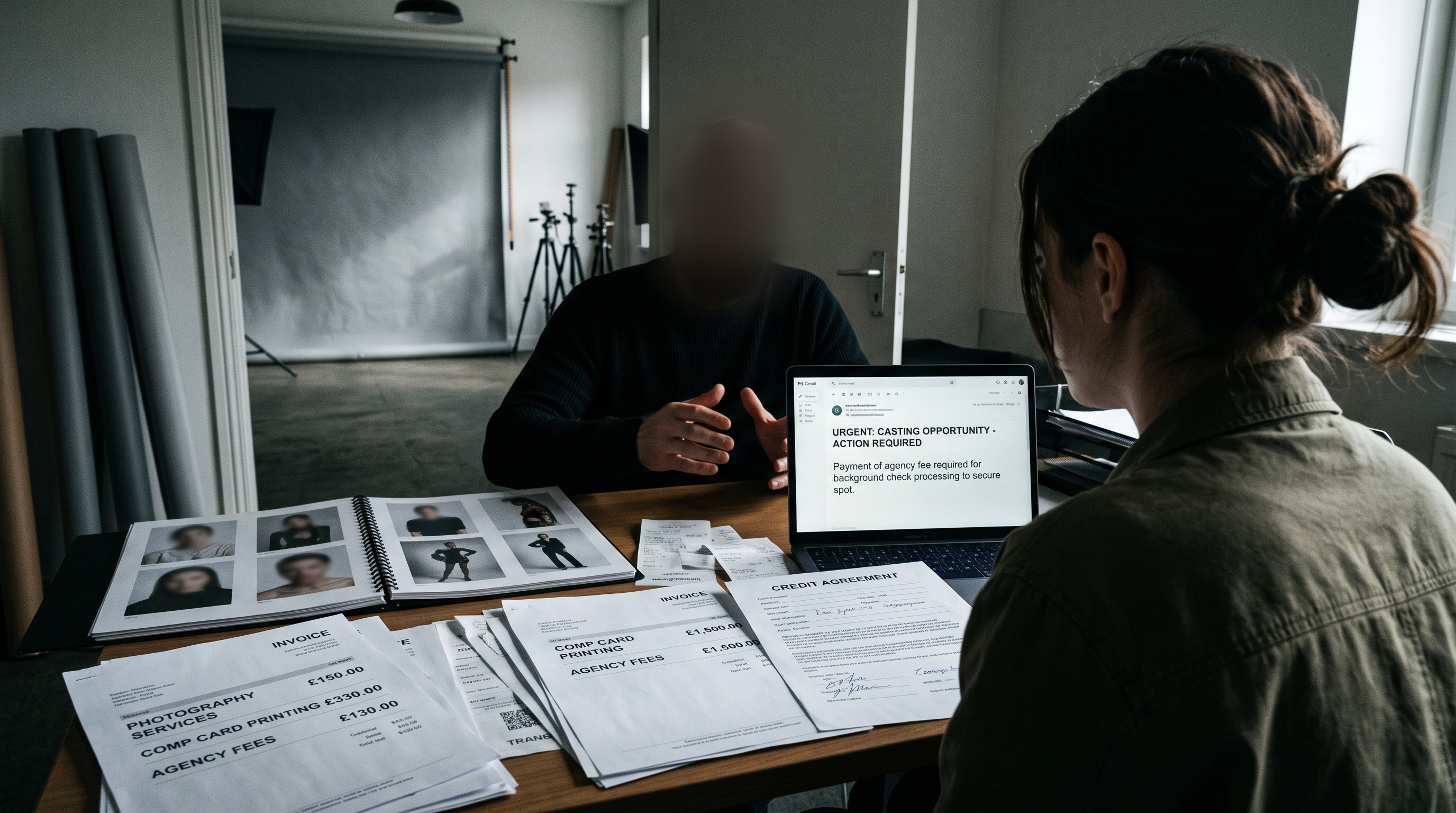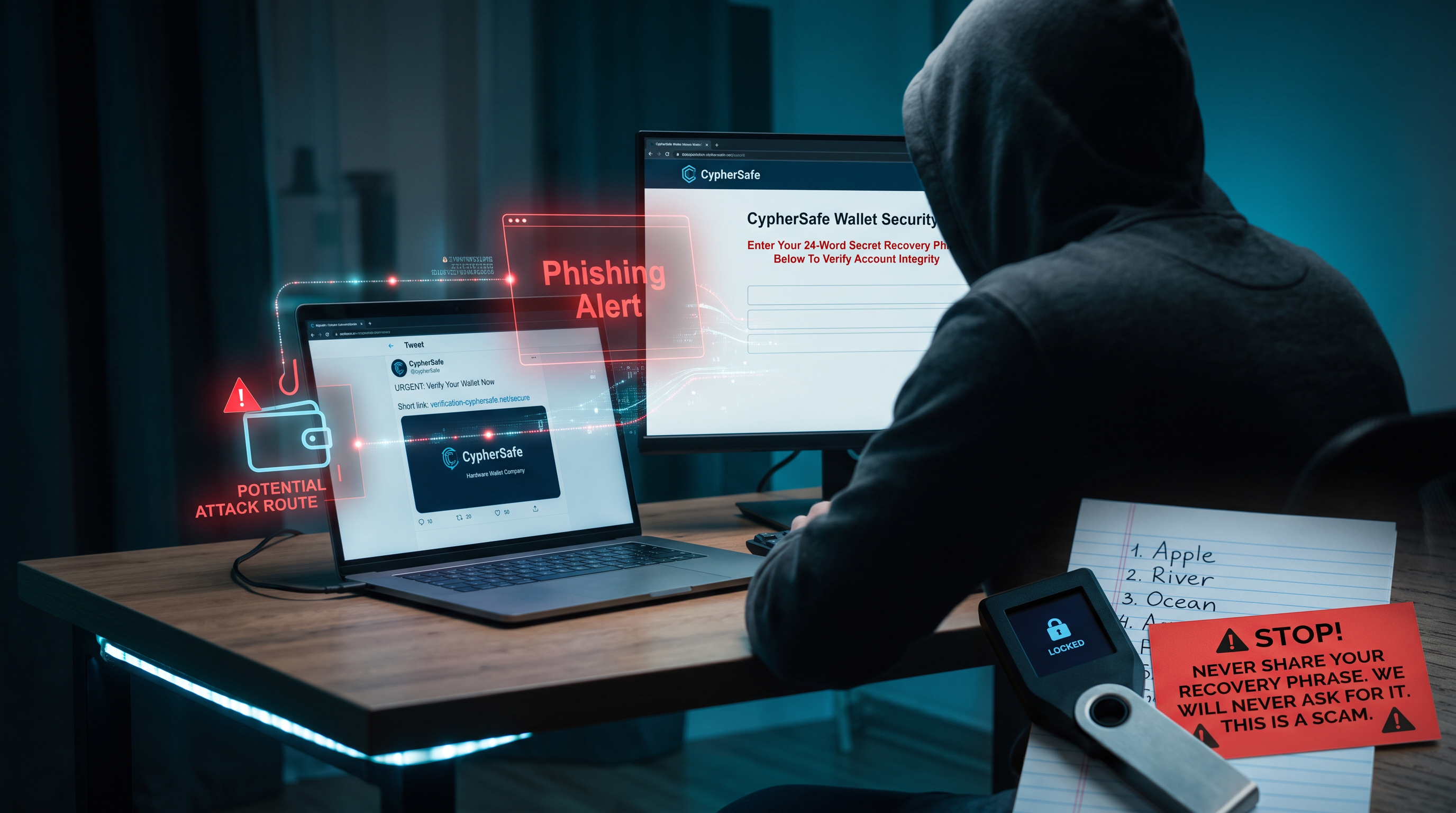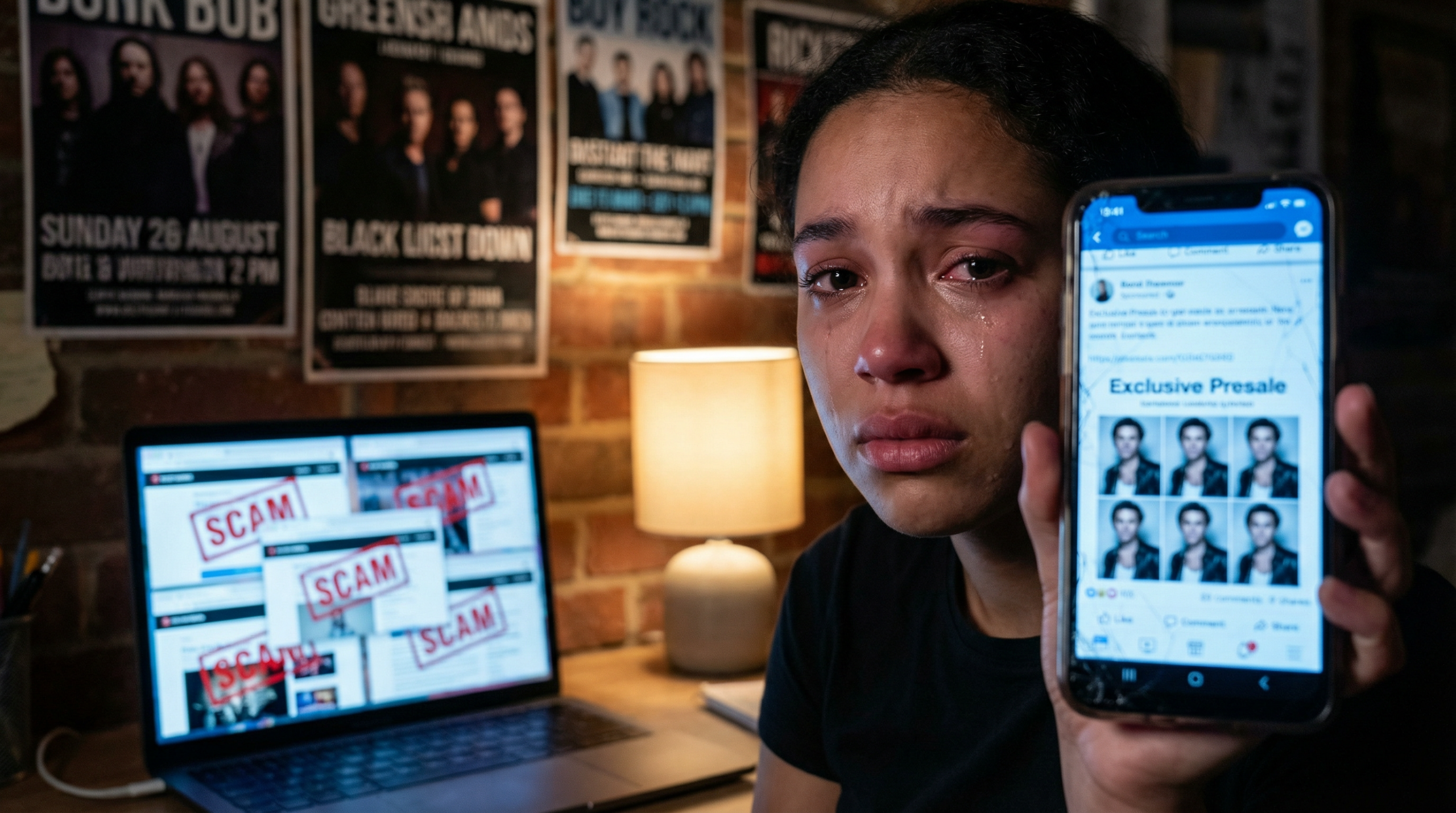
In 2025, a new era of scams emerged as cybercriminals leveraged artificial intelligence tools to impersonate celebrity voices, faces, and social media accounts—costing fans an estimated $5.3 billion. According to security firm Spikerz, scammers took advantage of deepfake technology, cloned social media pages, and paid advertising to reach and deceive millions of fans globally.
How Do Celebrity Impersonation Scams Work?
- Fake Profiles: Criminals create social media profiles mimicking pop stars, actors, and influencers. They steal profile images, bios, and even hack or buy verified accounts.
- Deepfake Content: Using AI, scammers create convincing videos and voice clips, fooling victims with messages that sound and look like the real celebrity—sometimes offering exclusive meets, giveaways, or investment opportunities.
- Ad Amplification: Scammers invest in paid ads to reach potential victims quickly, creating urgency and excitement around supposed limited-time offers.
- Private Communication: Victims are coaxed into private chats, often on encrypted messaging apps, to prevent public scrutiny.
- Payment Requests: Requests for gift cards, crypto, or wire transfers soon follow. Scammers claim these payment methods are needed for privacy or to avoid platform fees.
- Account Vanishing: After receiving money, scammers disappear, making it nearly impossible to recover lost funds.
Why Are These Scams So Effective?
AI-powered deepfakes combined with social media make impersonation highly convincing. Fan excitement, perceived urgency, and direct contact from a ‘celebrity’ lower skepticism. Scammers are constantly adapting and outpacing traditional moderation and takedown systems.
Who Is Targeted?
Superfans of pop stars like Taylor Swift and Sabrina Carpenter have been prime targets, but scams affect fans of all ages and celebrities. According to Dexerto, the most engaged and spend-happy fans are at the highest risk.
How To Protect Yourself
- Always verify offers through official celebrity channels. Don’t trust unsolicited DMs, even from verified accounts.
- Never pay anyone with gift cards, cryptocurrency, or wire transfers for tickets, collectibles, or investments.
- Check for fake handles or subtle misspellings.
- Enable multi-factor authentication to protect your own accounts.
- If you spot a suspicious account, report it immediately and warn others.
What To Do If You’re Scammed
- Contact your payment provider or bank immediately to attempt a reversal.
- File a complaint with the FBI’s Internet Crime Complaint Center and FTC.
- Gather evidence (screenshots, messages).
- Don’t be embarrassed—you are a victim of a sophisticated scam and reporting helps others.
Stay Vigilant
If a celebrity is asking you for money, secrecy, or unusual payments, it’s almost certainly a scam. Modern AI has made it easier than ever for criminals to trick even savvy fans, so always double-check every offer—no matter how exciting it seems.